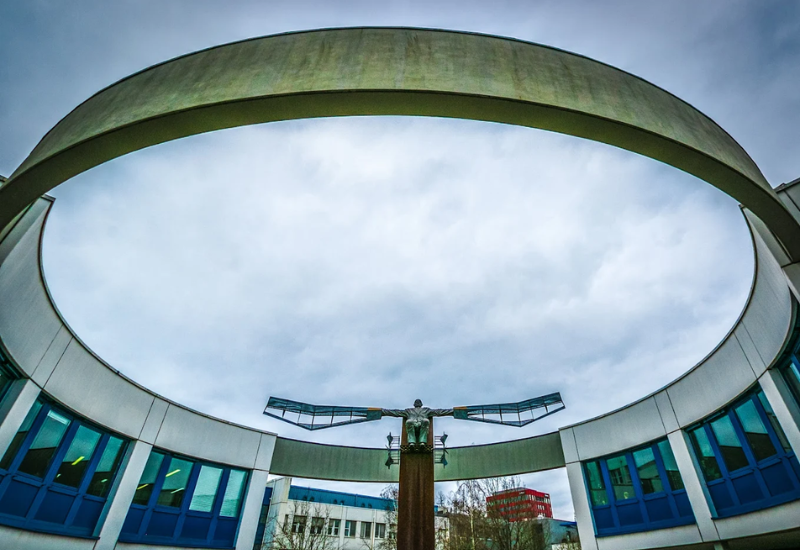
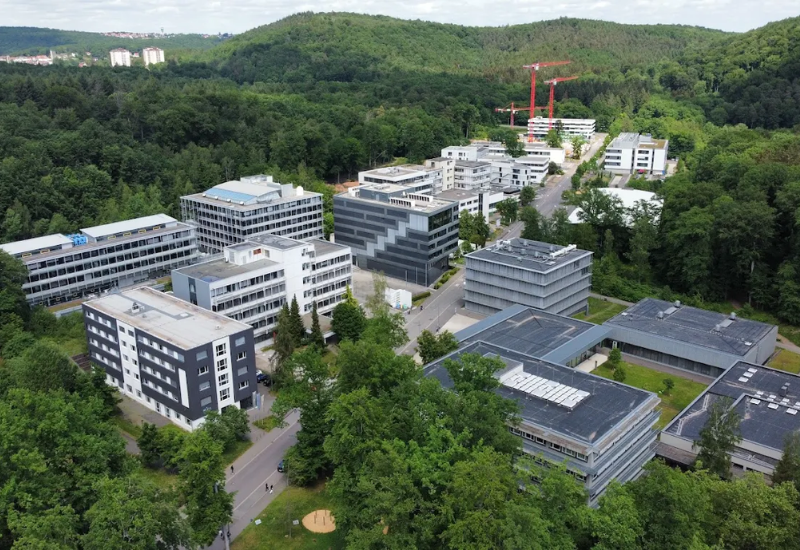
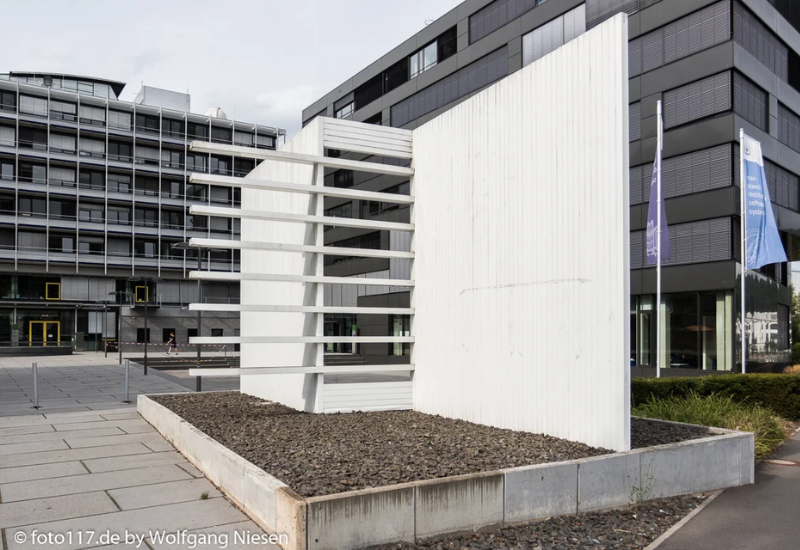
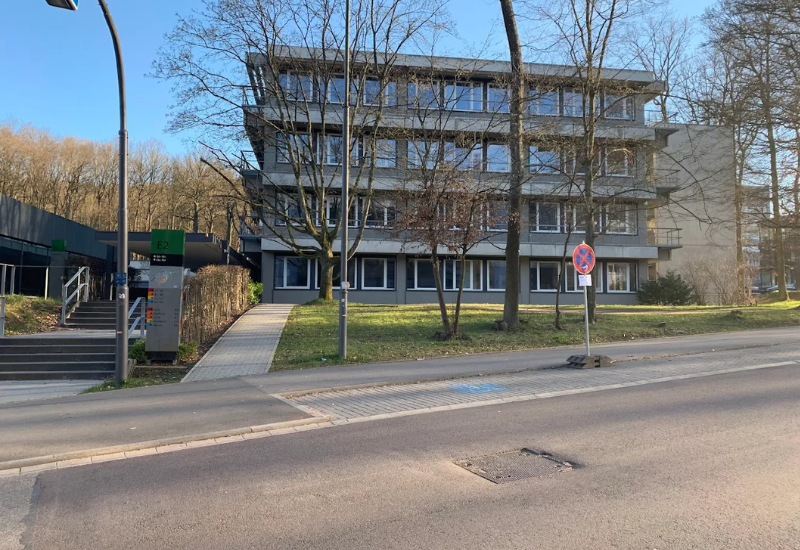
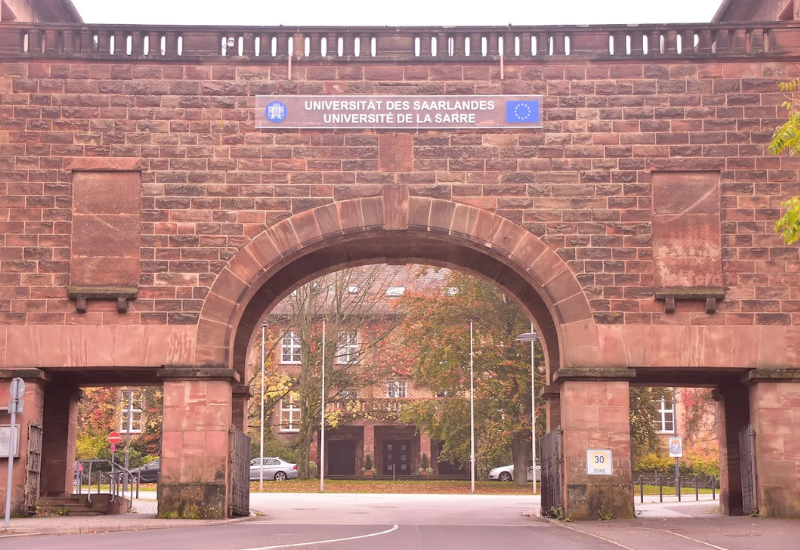
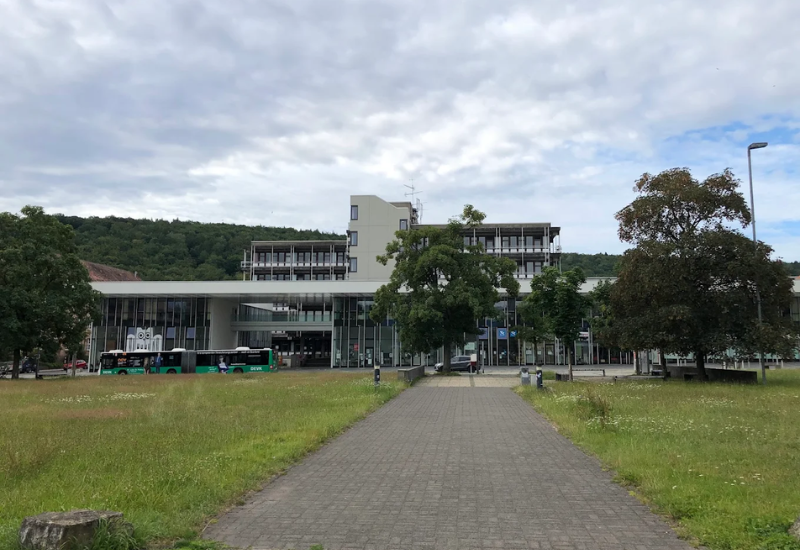
Saarland University is located in Saarbrücken-with a campus for medicine in Homburg, and is highly reputed as a public research university in Germany. It is an excellent destination to Study In Germany and one of the most attractive options among the Top German Universities for international applicants exploring Study Abroad Programs in Europe. Interdisciplinary study and research, a comprehensive and well-connected range of subjects, and an international community of students and researchers are hallmarks of this university. The campus boasts laboratories, libraries, services for students, and international support, all put together in such a way that it creates a perfect blend of academic seriousness and friendliness towards students.
The university offers degree programs in a multitude of fields: engineering, computer science, natural sciences, life sciences, medicine, social sciences, humanities, law, economics, languages, and cultural studies. Students can pursue
a Bachelors Degree In Germany or a Master Degree In Germany, including various Business Master's Programs, making it relevant for those looking for Best Business Universities In Europe. For international applicants, this breadth combined with strong research orientation makes Saarland a compelling option in Europe for higher studies and among the Best Universities For International Students In Europe.
Because it's a public university, Saarland offers its core programs, Bachelor's, Staatsexamen, and consecutive Master's free of tuition fees, thus equally financially accessible for domestic and international students planning to Study In Europe. Instead of tuition fees, the contribution is a small semester contribution; this covers additional advantages like a public transport travel pass. Students may also explore Study Abroad Scholarships to further reduce expenses.
International diversity is also characteristic: a large share of the students at Karlsruhe come from abroad; support structures like the International Office, the Welcome Centre, and also language support help foreign students understand How To Study In Germany and become accustomed to academic and cultural life in Germany. Many students also seek guidance from a Study Abroad Counsellor before applying.
1. No tuition fees for core programs — reduces financial burden for students from across the globe who want to Study In Germany.
2. Multidisciplinarity & flexibility-from STEM (Engineering, Computer Sciences, Life Sciences) to social sciences, humanities, law, languages, etc. Great if you're not fixed on narrow specialisation and exploring Study Abroad Programs.
3. Strong research culture and interdisciplinary opportunities provide ideal circumstances for students who seek practical research/laboratory work or further studies in a Master's Degree in Germany or a PhD.
4. International-friendly environment: supporting international students, good multicultural mix, services like Welcome Centre, language courses, help with integration — ideal for those searching for the Best Countries To Study In Europe.
5. Affordable cost of living and public transport benefit — semester contribution includes travel pass; living costs in Saarbrücken are comparatively reasonable among German cities, making it attractive among Best Universities In Germany.
1. Depending on the program (Bachelor’s, Master’s, or Staatsexamen), requirements vary — but typically for Bachelors Degree in Germany or a Master's Degree in Germany.
2. Your secondary-school qualification must be formally recognised (for Bachelor’s) or a prior university degree (for Master’s). If coming from abroad, you may need an academic assessment or preparatory course if the native credential isn’t recognised — common for international Study Abroad Programs.
3. Proficiency in German is generally required, since many programs are taught in German for students planning to Study In Germany.
4. For certain English / international programs, English (and possibly other language) requirements may apply, check specific program details — especially relevant for Business Master's Programs.
5. Additional documentation for international students: valid passport, entrance qualification (with certified translation if needed), health insurance proof, any required previous degree certificates (for Master’s), de-registration from previous German university (if applicable).
1. Tuition Fees: None for standard Bachelor’s, Staatsexamen, consecutive Master’s programs — making it one of the Best Universities In Germany for affordable education.
2. Semester Contribution: Mandatory, amount varies per semester; covers administrative costs and includes a semester travel ticket for public transport.
3. Living costs: Approximately € 750-€ 950 per month, depending on the individual lifestyle, accommodation, food, transport, etc. Students may combine savings with Study Abroad Scholarships.
1. Program Choice & Eligibility Check — Browse the list of programs and check the recognition of your credentials, or if preparatory courses are required (for school credentials obtained outside the EU) to successfully Study In Germany.
2. Apply via the Online Portal (SIM Portal) — In case of first-degree or restricted-entry programs, applications must be submitted by deadlines (e.g. for Winter Semester: by 15 July).
3. Receive Letter of Admission — If selected, the university will send an admission letter (usually in August for Winter entry, February for Summer entry).
4. Enrolment & Document Submission — You must enroll online via the SIM portal, uploading required documents: passport/ID, entrance qualification (translated if required), proof of health insurance, proof of semester fee payment, previous degree certificates (for Master’s), and any required language certificates.
5. Pay Semester Contribution & Get Student ID — Payment of semester fee is mandatory for enrolment. Once paid for and documents processed, you get an enrolment certificate and the UdS student card, which also serves as a semester travel ticket.
6. Re-register Every Semester (for Continuing Students) — You would then have to re-register or re-enroll for every successive semester, by paying the semester contribution in time.
If your school-leaving certificate is not recognised, or you don’t meet German language requirements, you can join the preparatory courses at the university’s International Study Centre Saar (ISZ Saar). This includes language courses and foundation programs (VSI), helping you qualify for standard degree programs and continue your journey to Study In Europe.
For non-German speakers: a lot of degree programs are taught in German, and thus you have to provide valid certificates as proof before you Study In Germany.
✅ Your Trusted Study Abroad Counsellor For Europe 🌍
Planning to Study In Germany or pursue a Master Degree In Germany at Saarland University?
At MyAdmissionPartner, we help you Study In Europe at Top German Universities like Saarland University — one of the Best Universities In Germany for international students.
We offer:
. Admissions support at Best Universities In Germany
. Guidance for Business Master's Programs, Engineering, Computer Science, Life Sciences, and other in-demand programs
. Complete visa and application assistance
. Support for German language requirements and preparatory pathways if needed
Take the next step toward a successful global career!
📌 Follow MyAdmissionPartner Today
Get expert guidance to secure your admission and apply scholarships
Get in Touch →
Reviews:
Similar University:
Related Blogs And Posts:
.png)